
How Often Should You Flush Your Water Heater in Kingsland, TX?
For many Kingsland homeowners, flushing a traditional tank water heater about once a year is a practical maintenance starting point. However, the right schedule depends on your water quality, household demand, equipment, and manufacturer recommendations. If sediment accumulates faster, your system may need attention more frequently.
Regular water heater flushing can help remove sediment from the bottom of the tank, maintain dependable performance, and give a plumbing professional an opportunity to identify developing problems before you suddenly find yourself without hot water.
If you are unsure when your water heater was last serviced, Young & Son - Septic & Irrigation can inspect the system and recommend an appropriate maintenance plan for your Kingsland-area home.
Why Does a Water Heater Need to Be Flushed?
Every time water enters a tank-style water heater, it can bring dissolved minerals and small amounts of sediment with it. Over time, material can settle at the bottom of the tank.
That accumulation is easy to forget because it happens inside equipment homeowners rarely see. Eventually, however, sediment can contribute to performance issues.
Depending on the system and water conditions, excessive buildup may be associated with:
- Reduced water heater efficiency
- Unusual popping, rumbling, or crackling sounds
- Inconsistent hot water
- Longer heating times
- Reduced usable hot-water capacity
- Additional stress on water heater components
Flushing drains water from the tank to help carry loose sediment out of the system. It is a maintenance service rather than a solution for every water heater problem.
A leaking tank, failed heating element, burner problem, damaged valve, or other mechanical failure may require repair or replacement instead.
How Often Should You Flush Your Water Heater?
For many households, annual flushing is a reasonable general maintenance schedule, but homeowners should always check the maintenance instructions supplied by their water heater manufacturer.
Your actual schedule can vary.
A home with significant mineral buildup may benefit from more frequent maintenance, while another system may have different requirements. Water heater type, age, water quality, household size, and daily hot-water consumption can all influence how quickly deposits accumulate.
Instead of treating one interval as a rule for every property, consider these factors:
| Factor | Why It Matters |
|---|---|
| Water quality | Mineral content can affect sediment accumulation |
| Household size | More occupants can mean greater hot-water demand |
| Water heater age | Older equipment may require closer monitoring |
| Daily usage | Heavy use puts more demand on the system |
| Manufacturer guidance | Maintenance requirements differ by model |
| Previous sediment | Rapid buildup may justify more frequent service |
If you do not know your water heater's maintenance history, scheduling an inspection is a sensible place to start.
Young & Son provides water heater and general plumbing services for Kingsland and surrounding communities. The company emphasizes clear estimates and recommendations so homeowners can understand what their system needs before moving forward.
What Are the Signs Your Water Heater May Need Flushing?
Your water heater does not have to stop working completely before it deserves attention. Changes in sound or performance can provide useful clues.
1. The Tank Makes Popping or Rumbling Sounds
Strange sounds from a water heater can have several causes, and sediment is one possibility.
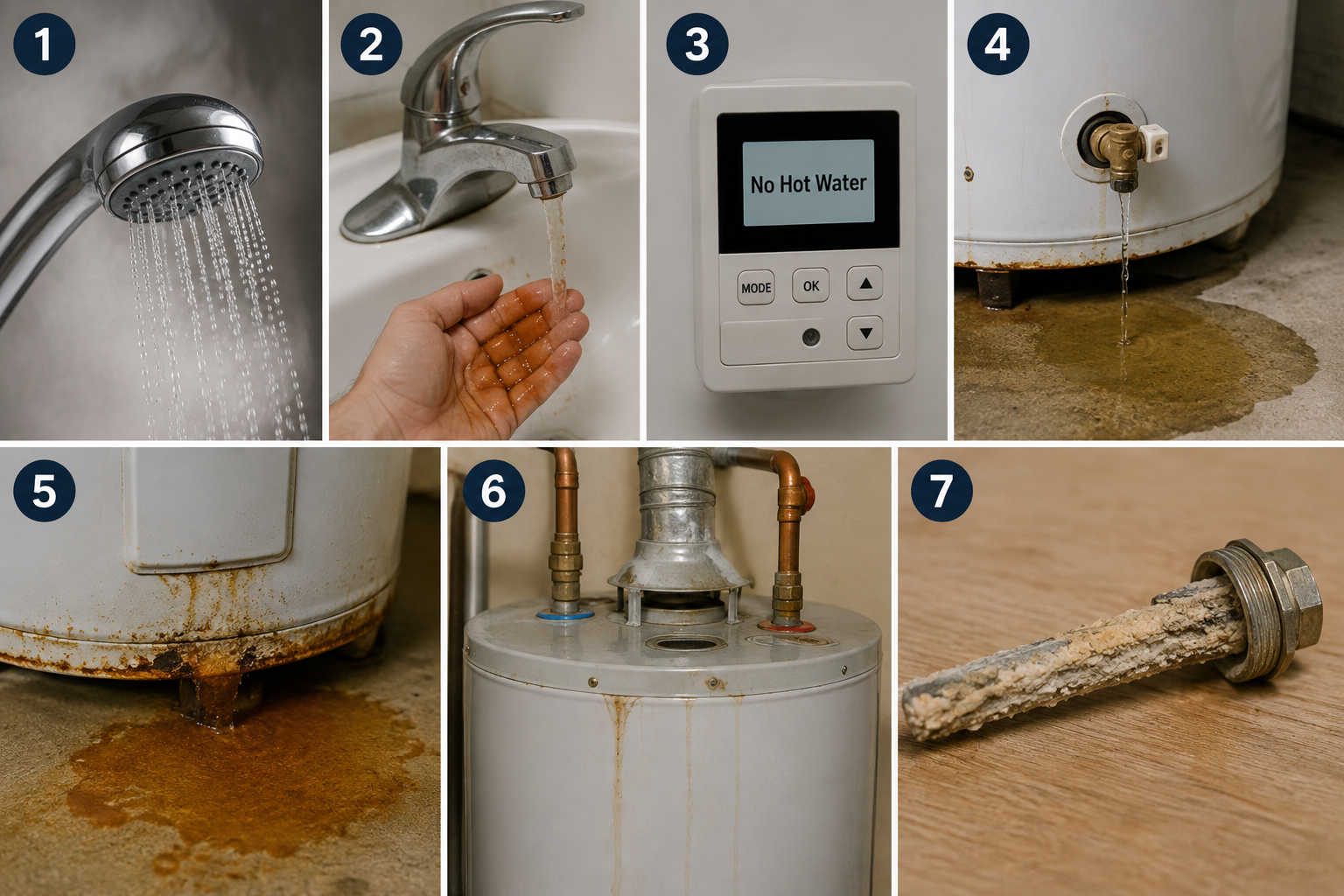
As deposits collect near the bottom of some tank-style systems, heating can produce popping or rumbling noises. A professional can determine whether routine flushing is appropriate or whether another component needs attention.
Do not assume every unusual noise is harmless simply because hot water is still available.
2. You Are Running Out of Hot Water Faster
Does a shower turn cold noticeably sooner than it used to?
A decline in available hot water deserves investigation. Sediment may contribute in some situations, but heating elements, thermostats, burners, dip tubes, equipment sizing, or other components can also affect hot-water performance.
Professional troubleshooting helps identify the actual cause rather than relying on guesswork.
3. Your Water Heater Takes Longer to Recover
The recovery time is how long the water heater needs to heat another supply of water after hot water has been used.
If that time seems considerably longer than normal, schedule an evaluation. Maintenance may help when sediment is involved, but a plumber should also check for equipment problems.
4. You Cannot Remember the Last Maintenance Visit
This is one of the simplest warning signs.
If your answer to "When was the water heater last flushed?" is "I have no idea," it may be time to have the equipment evaluated.
A maintenance visit can also establish a baseline for future service.
Can You Flush a Water Heater Yourself?
Some homeowners perform basic water heater maintenance themselves, but flushing involves more than simply opening a drain valve.
Water heaters involve very hot water and, depending on the model, electrical or gas connections. Incorrect procedures can cause burns, property damage, equipment problems, or unsafe operating conditions.
Older water heaters can present another concern. A drain valve that has not been operated in years may be difficult to use or may not seal correctly afterward.
Professional service is particularly worth considering when:
- You have never flushed the water heater before.
- The equipment is older.
- The drain valve appears damaged or corroded.
- The unit is leaking.
- You smell gas near a gas-fired appliance.
- The system repeatedly loses hot water.
- You hear significant popping or rumbling.
- You are unsure how to safely shut down and restart the equipment.
Texas building requirements also address plumbing and water-heating installations, reinforcing why installation and repair work should be handled correctly. The Texas Department of Licensing and Regulation lists the 2021 International Plumbing Code among mandatory codes for industrialized housing and buildings, and its inspection materials address water-heating equipment and relief-valve discharge requirements.
Water Heater Flushing Is Also an Opportunity for Inspection
One benefit of professional water heater maintenance is that the visit does not have to focus solely on sediment.
A plumber can look for visible warning signs around the equipment and determine whether additional service should be considered.
Depending on the system, an inspection may include checking for:
- Visible leaks or moisture
- Corrosion
- Damaged connections
- Drain-valve problems
- Abnormal noises
- Temperature or performance concerns
- Signs that repair or replacement should be discussed
This matters because flushing cannot repair a deteriorating tank.
If water is leaking from the tank itself, continually draining and refilling the system will not reverse physical deterioration. Likewise, if a heating component has failed, removing sediment alone may not restore normal operation.
A trustworthy plumbing company should distinguish between maintenance, repair, and replacement rather than automatically recommending the most expensive option.
That approach aligns with Young & Son's emphasis on transparent estimates, honest communication, and professional recommendations. The company states that it is family-owned and operated and serves Kingsland, Marble Falls, and surrounding communities.
How Can Kingsland Homeowners Extend Water Heater Life?
No maintenance routine can make a water heater last forever, but homeowners can pay attention to their equipment instead of waiting for a complete failure.
Follow the Manufacturer's Maintenance Instructions
Your owner's manual should be the first reference for model-specific maintenance.
Different water heaters can have different procedures and schedules. This is especially important when comparing conventional tank equipment with tankless systems.
Watch for Leaks
Periodically look around the water heater.
Moisture around fittings, valves, pipes, or the base of the tank should not automatically be dismissed. Small plumbing problems can become more damaging when left unattended.
Pay Attention to Changes
You use hot water every day, so you are in a good position to notice when something changes.
Call a plumber when you experience:
- Suddenly reduced hot-water capacity
- Water that does not get hot enough
- Unusually hot water
- Repeated temperature fluctuations
- New noises
- Visible leaks
- Unexpected changes in performance
Early troubleshooting can sometimes turn an inconvenient problem into a manageable service call instead of an emergency.
Keep a Maintenance Record
Record the date whenever the water heater is inspected, flushed, repaired, or replaced.
This takes only a minute and prevents the common situation where nobody remembers whether maintenance happened one year ago or five years ago.
Should You Flush a Tankless Water Heater?
Tankless systems have different maintenance needs than conventional storage-tank water heaters.
Instead of assuming the same flushing procedure or interval applies, follow the manufacturer's maintenance requirements for your specific tankless model. Mineral scale can affect tankless equipment, making appropriate maintenance important for dependable operation.
If you are considering replacing an aging storage tank with a tankless system, Young & Son can also help you evaluate whether tankless equipment makes sense for your home's hot-water demand and plumbing setup.
When Is Water Heater Replacement Better Than Flushing?
Flushing is maintenance. It does not restore a severely deteriorated water heater to new condition.
Replacement may deserve consideration when the tank is leaking, repairs are becoming frequent, hot-water performance remains unreliable, or a plumber identifies significant deterioration.
The decision should consider the unit's condition, age, repair history, household needs, and cost of the proposed repair.
For example, spending money on routine maintenance makes sense when the equipment is in serviceable condition. Continuing to repair a badly deteriorated system may not.
A professional evaluation gives you information to make that decision without guessing.
FAQs About Water Heater Flushing in Kingsland, TX
How often should I flush my water heater in Kingsland?
For many traditional tank water heaters, approximately once per year is a useful maintenance starting point. However, water quality, usage, equipment condition, and manufacturer recommendations can change the ideal interval. Ask a plumber for guidance if you notice rapid sediment accumulation or recurring performance problems.
What happens if I never flush my water heater?
Sediment can accumulate inside a tank over time. Depending on the equipment and water conditions, buildup may contribute to noise, reduced performance, or other problems. Regular inspection and manufacturer-recommended maintenance can help you address developing issues before they become more disruptive.
Will flushing fix a water heater that is not producing hot water?
Not necessarily. A lack of hot water can result from several problems, including failed components or fuel and power issues. Flushing addresses sediment; it does not repair every malfunction. A plumber can diagnose why the system is not heating correctly.
Why is my water heater making a popping noise?
Sediment buildup is one possible reason a tank-style water heater may pop or rumble, but it is not the only possible cause. If the sound is new, persistent, or becoming louder, have the equipment inspected rather than assuming flushing alone will solve it.
Who can help with the water heater flushing near me in Kingsland, TX?
Young & Son - Septic & Irrigation provides water heater and plumbing services in Kingsland and surrounding Texas communities. The company is family-owned and operated, offers transparent estimates, and is available for urgent plumbing needs.
Schedule Water Heater Service in Kingsland, TX
Water heater maintenance is easy to postpone because the equipment often sits out of sight until something goes wrong. Paying attention to sediment, noises, leaks, and changing hot-water performance can help you make better decisions before you are dealing with a cold shower or an unexpected plumbing emergency.
If you are unsure when your water heater was last flushed, Young & Son - Septic & Irrigation can evaluate the equipment and recommend the appropriate next step. Whether the answer is maintenance, repair, or replacement, the goal is to give you clear information about your home's plumbing system.
Young & Son is a family-owned and operated provider serving Kingsland, Marble Falls, and surrounding communities, with plumbing services that include water heater issues and replacement, drain cleaning, emergency repairs, and more.
Recent Posts
Ready to Work With a Certified Escort Professional?
If you're planning an oversize load move and need a state certified pilot car in Kennewick, WA or surrounding states, Brand X is ready to assist.
Certified. Insured. Professional.
Request a Quote
We will get back to you as soon as possible.
Please try again later.
